
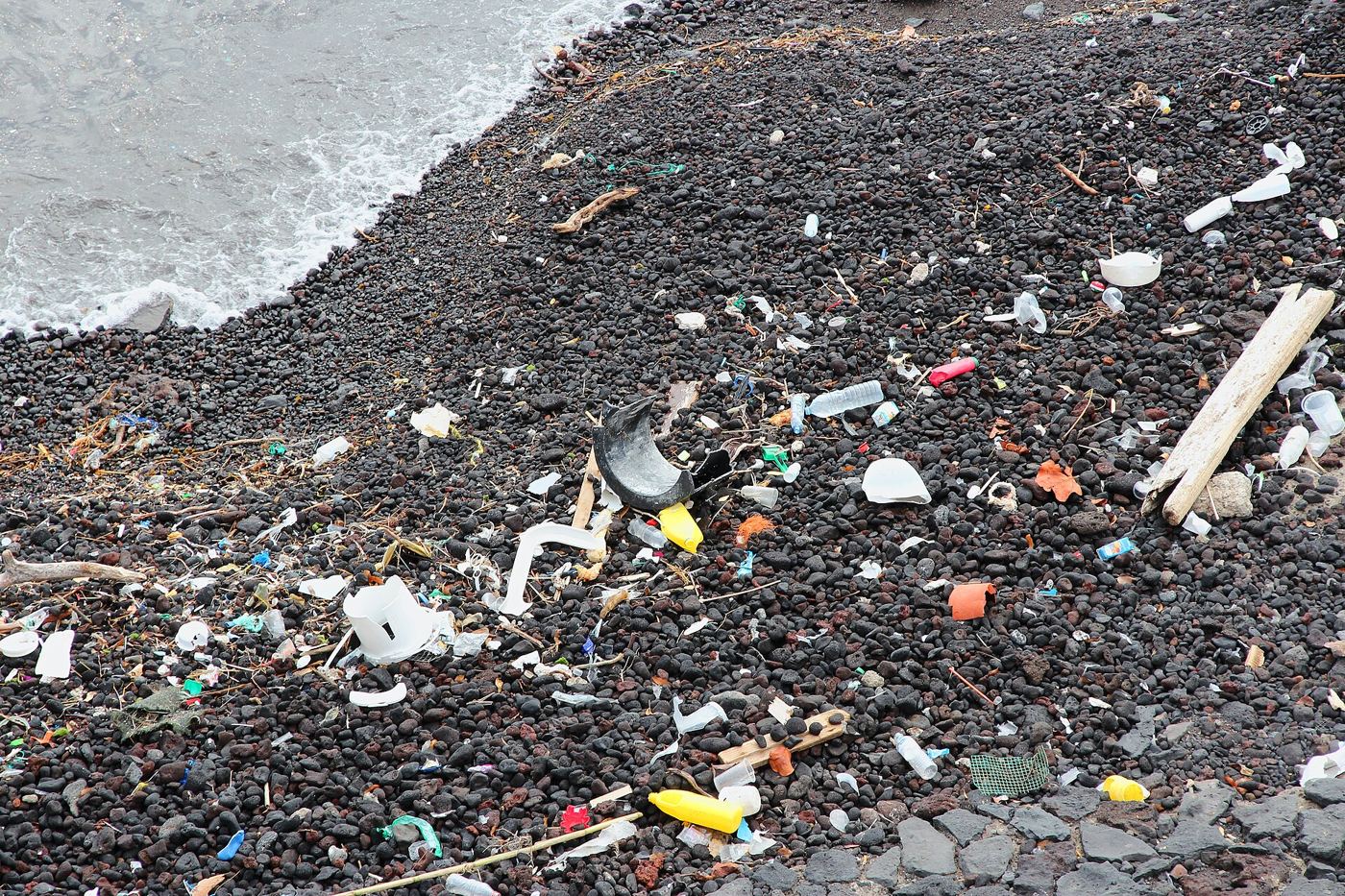
The world’s first treaty to end plastic pollution is stuck, more than three years after countries agreed to write one. In March 2022, 175 nations adopted a resolution at the United Nations Environment Assembly calling for a legally binding instrument covering the full life cycle of plastic, from production to disposal. Six rounds of negotiations followed, and the latest full round, held in Geneva from August 5 to 15, 2025, ended without agreement. Representatives of 184 countries could not bridge the central divide: a High Ambition Coalition of more than 100 countries wants binding caps on plastic production, rules on hazardous chemicals and finance for developing countries, while a group of oil-producing states wants the treaty limited to managing waste that already exists. The talks chair resigned in October 2025, a new chair took over in February 2026, and informal discussions continued in Nairobi in August 2026 and Bangkok in September 2026, with the next formal round expected in 2027.
What the Evidence Shows
The stakes are measured in tonnes. Global plastic production is projected at roughly 445 to 516 million tonnes in 2025, yet only about 7 to 9 percent of plastic is recycled, and the rest is buried, burned or leaks into rivers and oceans. Plastic is also a climate problem, because almost all of it is made from fossil fuels, and a health problem, because additives and tiny fragments are now found in food, water and human bodies. The consensus rule that governs the negotiations gives every country a veto, which is why a small group of states has been able to block a text supported by a large majority. Campaigners say the delay is measured in pollution that cannot be undone, while the blocking states say production limits would harm their economies. Without a treaty, the gap is being filled by national laws and European rules, but a global problem with no global answer keeps growing. Reporting and analysis from sources such as Reuters track the same developments, and specialists following global plastics treaty talks say the direction is now consistent across independent lines of evidence.
The Wider Context
The wider context is a public conversation conducted at a speed institutions were not built for. Developments around global plastics treaty talks are announced, contested and revised within a single news cycle, and the officials involved have learned to publish evidence alongside claims so that scrutiny can actually occur. Trust, the polling suggests, follows that transparency more than it follows confidence.
What Happens Next
What happens next in the story of global plastics treaty talks will be decided in the places where it is being implemented, measured and argued about in public. The officials and organisations involved have committed to publishing progress data, and that commitment gives residents, businesses and journalists something firmer than promises to judge. The next milestones are dated, which means they can be checked. You can follow related developments in our coverage of news.
There is a practical lesson in all of this for readers deciding what to do today. Start with the verified facts, be wary of anyone promising certainty, and prefer reversible steps while the evidence is still developing. Circumstances differ by country, income and personal situation, so general guidance should always be weighed against your own context before you act on it in any significant or lasting way.