
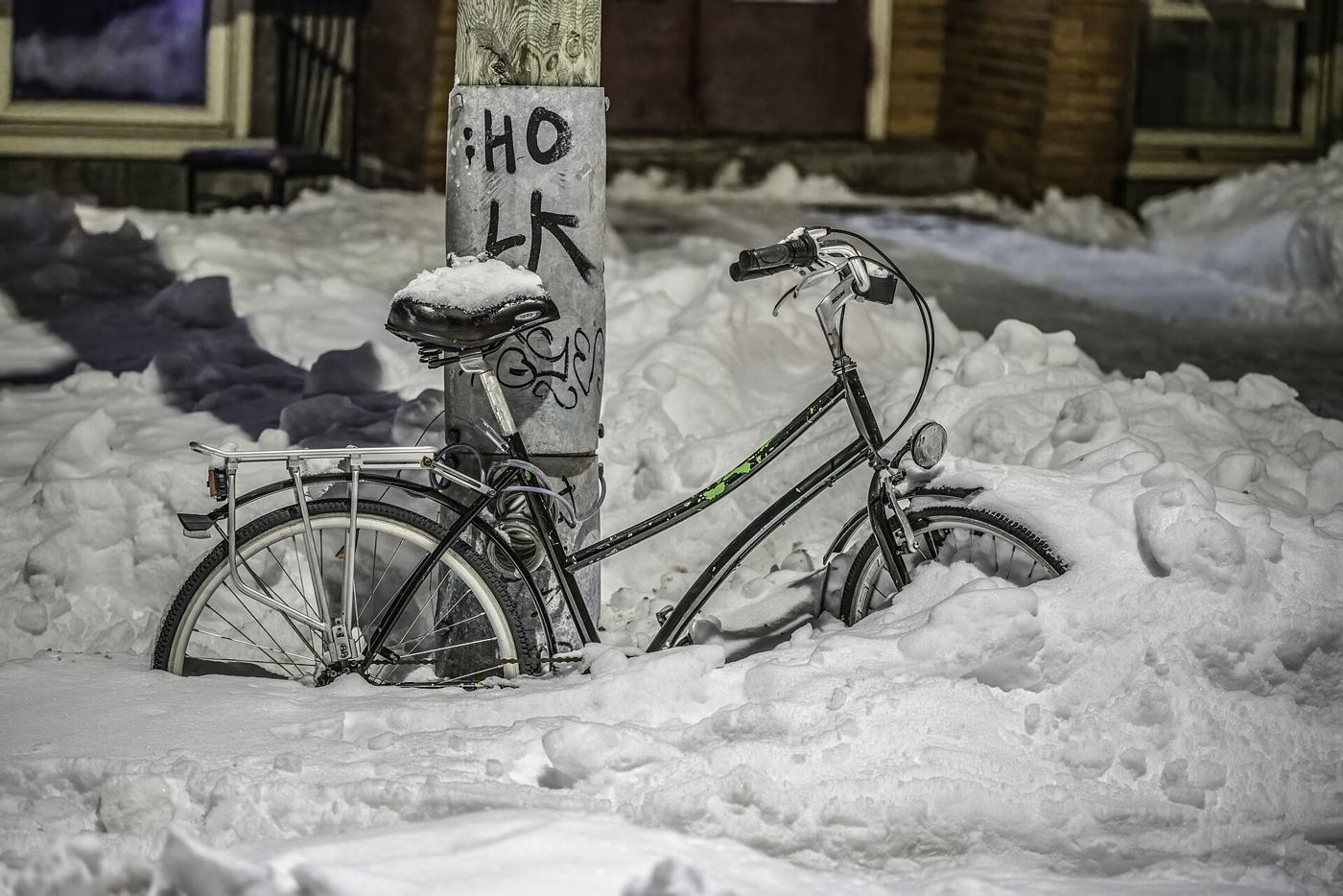
Winter storms test city services every year across northern regions, from snow clearance and road gritting to heating, transport and emergency care. Heavy snow can close schools, delay trains and buses, and leave roads dangerous for drivers, while ice and freezing rain bring down power lines and tree branches. City councils prepare by stocking salt, servicing snowploughs, checking shelters for homeless people and warning residents to keep medicines and food at home. Hospitals see more admissions for falls, breathing problems and heart strain in cold weather, and care workers check on older people living alone. Power companies watch demand closely, because heating use rises sharply on the coldest nights. When storms arrive together with strong winds, the damage can spread quickly, and recovery may take days rather than hours. Snow and ice can also damage roofs, burst water pipes and block drains, adding repair costs for homeowners, businesses and local councils alike.
What the Evidence Shows
Good preparation makes the difference between a difficult week and a crisis. Cities that clear main roads first, keep hospitals and emergency routes open, and communicate clearly about closures tend to cope better. Residents can help by clearing pavements near their homes, checking on neighbours, keeping phones charged and avoiding unnecessary travel during the worst weather. Employers are increasingly expected to allow home working when travel is unsafe, and schools need clear plans for closures that parents can rely on. Climate change is also changing winter patterns, with some regions seeing heavier snowfalls and others seeing more rain and ice instead. Planners now design for both extremes, because a city that prepares only for average winters will be caught out when an unusual storm arrives. Schools, hospitals and care homes need backup plans for power cuts, so that vulnerable people stay warm and safe during outages. Local radio and official websites often carry the latest advice, and residents are urged to follow updates before travelling. Reporting and analysis from sources such as Reuters track the same developments, and specialists following winter storms city services say the direction is now consistent across independent lines of evidence.
The Wider Context
The wider context is a public conversation conducted at a speed institutions were not built for. Developments around winter storms city services are announced, contested and revised within a single news cycle, and the officials involved have learned to publish evidence alongside claims so that scrutiny can actually occur. Trust, the polling suggests, follows that transparency more than it follows confidence.
What Happens Next
What happens next in the story of winter storms city services will be decided in the places where it is being implemented, measured and argued about in public. The officials and organisations involved have committed to publishing progress data, and that commitment gives residents, businesses and journalists something firmer than promises to judge. The next milestones are dated, which means they can be checked. You can follow related developments in our coverage of news.
There is a practical lesson in all of this for readers deciding what to do today. Start with the verified facts, be wary of anyone promising certainty, and prefer reversible steps while the evidence is still developing. Circumstances differ by country, income and personal situation, so general guidance should always be weighed against your own context before you act on it in any significant or lasting way.