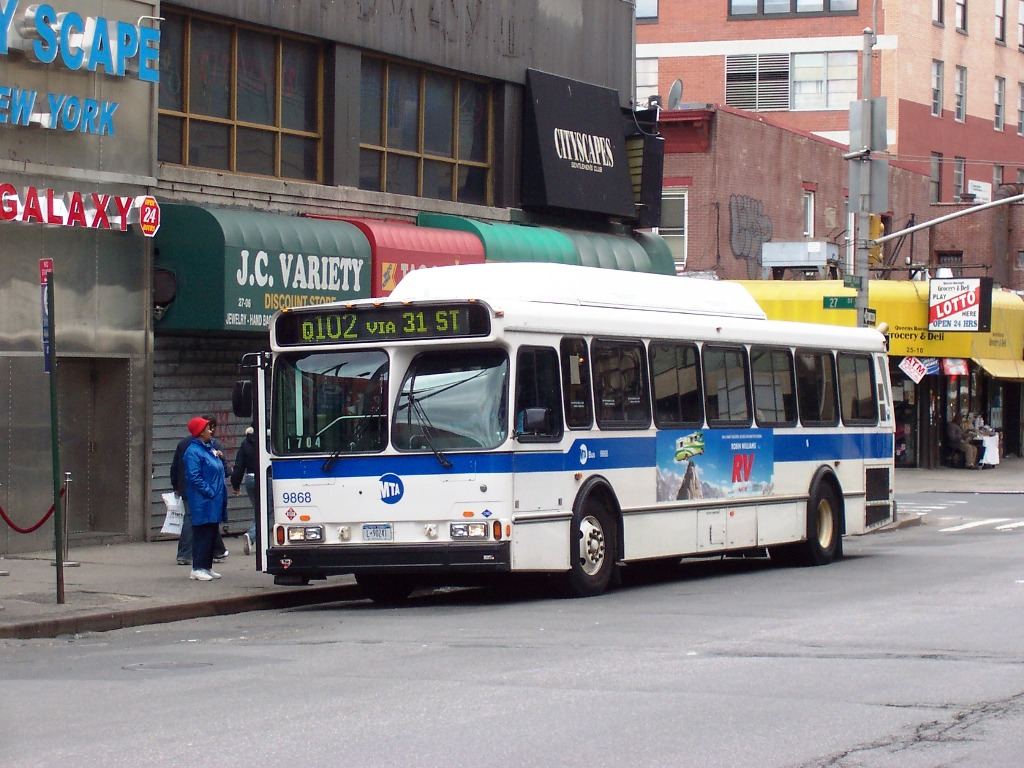
Bus safety cameras are being fitted across more city fleets after trials showed they help investigators, drivers, and passengers understand exactly what happened during near misses and collisions. The newest systems record the road ahead, the driver area, and the passenger saloon, with footage stored securely and reviewed only after an incident or a formal complaint. Transport officials say the cameras are not mainly about punishment. Clear recordings protect drivers from false claims, identify dangerous road layouts, and show where training or timetable pressure may be contributing to risky moments. Passengers surveyed in trial areas generally supported the rollout when privacy rules were explained clearly at stops and online.
What the Evidence Shows
Unions asked for firm guarantees before agreeing to the expansion, including limits on who can view footage, how long it is kept, and a ban on using it for routine monitoring of breaks or conversations. Operators have accepted those conditions and will publish regular reports on how often recordings are accessed. Road safety groups want the data used proactively, mapping repeated near misses at the same junctions so councils fix the layout rather than blaming individuals. Installation will continue route by route through next year. If the trial results hold, the cameras could become as standard on buses as seatbelts and mirrors already are today. Reporting and analysis from sources such as Reuters track the same developments, and specialists following bus cameras clarify near misses say the direction is now consistent across independent lines of evidence.
The Wider Context
The wider context is a public conversation conducted at a speed institutions were not built for. Developments around bus cameras clarify near misses are announced, contested and revised within a single news cycle, and the officials involved have learned to publish evidence alongside claims so that scrutiny can actually occur. Trust, the polling suggests, follows that transparency more than it follows confidence.
What Happens Next
What happens next in the story of bus cameras clarify near misses will be decided in the places where it is being implemented, measured and argued about in public. The officials and organisations involved have committed to publishing progress data, and that commitment gives residents, businesses and journalists something firmer than promises to judge. The next milestones are dated, which means they can be checked. You can follow related developments in our coverage of news.
There is a practical lesson in all of this for readers deciding what to do today. Start with the verified facts, be wary of anyone promising certainty, and prefer reversible steps while the evidence is still developing. Circumstances differ by country, income and personal situation, so general guidance should always be weighed against your own context before you act on it in any significant or lasting way.