
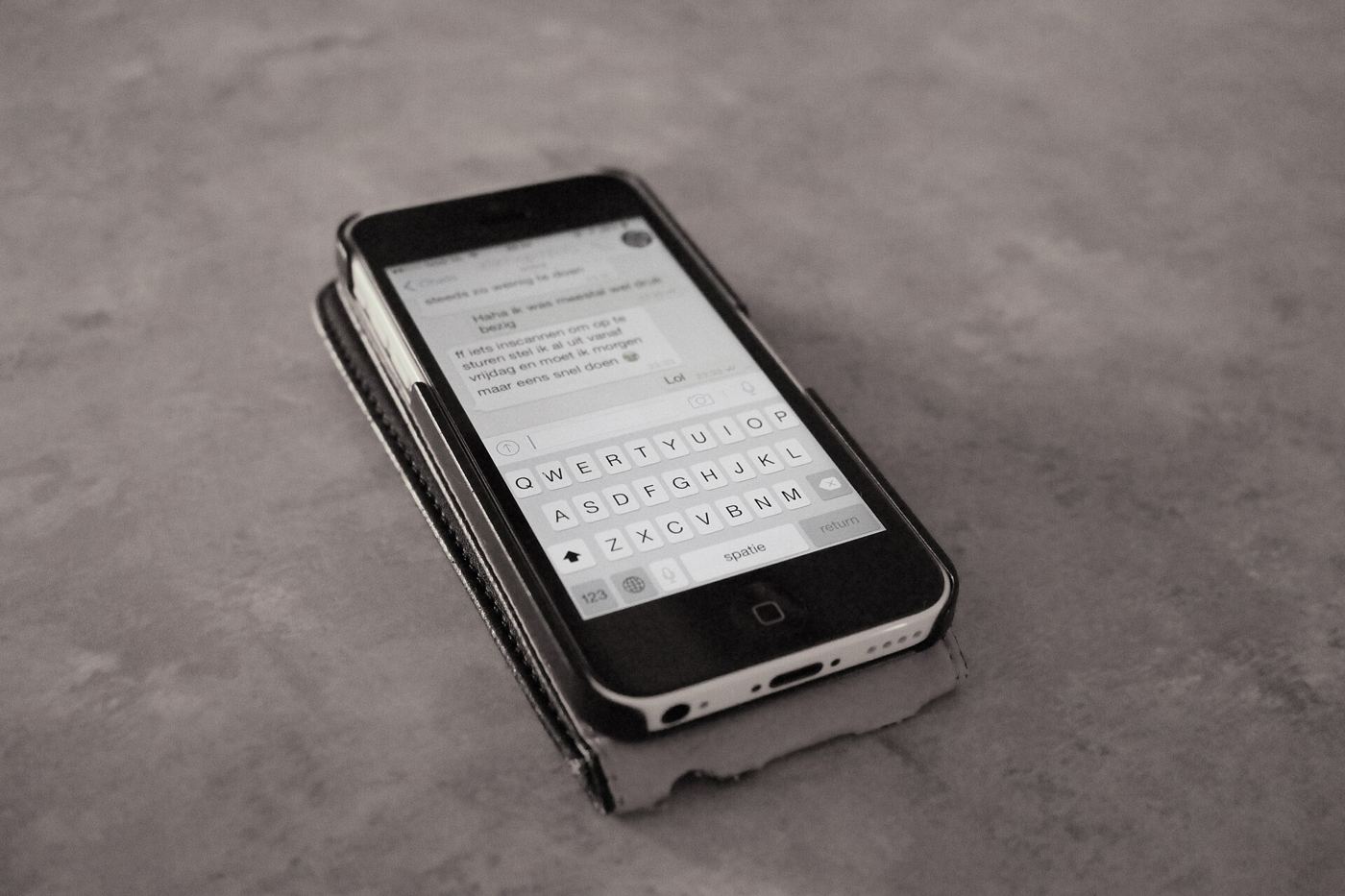
The text message has become the scammer’s favourite tool. Smishing, phishing by text message, now arrives as a fake delivery notice, an unpaid toll, a bank alert or a job offer, each one carrying a link to a site designed to steal card details or install malware. The messages work because they imitate services people already trust and create urgency: a parcel held for an unpaid fee, a toll that will double if not settled today, an account that will be locked within hours. The United States Federal Trade Commission reported that people lost 470 million dollars to scams that began with a text message in 2024, five times the figure for 2020, with fake delivery problems the most commonly reported type. The FBI warned in April 2024 after receiving more than 2,000 complaints about fake toll texts in about a month, with messages quoting a small charge and threatening a 50-dollar late fee.
What the Evidence Shows
The real services these messages imitate rarely behave the way the scam describes. The United States Postal Service only sends tracking texts to people who asked for them, and those messages never contain a link; toll agencies likewise say they do not ask for payment through a link in an unexpected text. The safest response is to ignore the link entirely and check the account by typing the official website address yourself or calling a number you already know. Suspicious texts can be forwarded to 7726, which spells SPAM, so carriers can block the sender, and reported to the Federal Trade Commission. The messages will keep coming, because texting is cheap and the returns are large, but a simple rule protects almost everyone: never tap a link in a message you did not expect. Reporting and analysis from sources such as Wired track the same developments, and specialists following text message scams say the direction is now consistent across independent lines of evidence.
The Wider Context
The wider context is an industry learning to ship capability and restraint together. Products built around text message scams now launch with safety evaluations, usage data and rollback plans as standard, because enterprise buyers and regulators ask for them in the first meeting. Companies that treated those questions as friction are discovering they have become the purchase criteria.
What Happens Next
What happens next for text message scams depends less on another breakthrough than on the unglamorous work of reliability, pricing and support. The buyers evaluating it now are not enthusiasts; they are operators with budgets and auditors, and their checklists will decide the timeline. On the evidence of the current pilots, the technology has earned the right to be judged by them. You can follow related developments in our coverage of technology.
None of this will be settled by a single announcement, study or product launch. The pattern to watch is accumulation: independent confirmations, honest reporting of failures and steady improvement in the underlying numbers. Readers who follow those signals, rather than the loudest claim of the week, will understand this subject better than most of the commentary surrounding it suggests is possible.