
It began as a way to send money to a friend. Within a decade, India’s Unified Payments Interface has become the default way a subcontinent pays — for vegetables, rail tickets, rent and school fees — processing billions of transactions a month on phones that cost less than a restaurant meal. The habit is so complete that visitors from richer countries describe a small culture shock: the tea stall with no card machine and no need of one. Now the same rails are being laid under the rest of personal finance.
From payments to a platform
The architecture is the story. UPI was built as public infrastructure — an open, interoperable switch that any bank or app could plug into, with the state-backed National Payments Corporation of India as its operator. That design choice, mocked early as uncommercial, produced the network effects private systems struggle to buy: every new merchant made every user’s app more useful. On top of the payment rails now ride credit lines, recurring mandates, and cross-border links that let Indian travellers pay from their home accounts in a growing list of countries.
The savings frontier
The deeper shift is what frictionless money movement does to saving and investing. A street vendor who receives digital payments acquires a transaction history; that history becomes creditworthiness; micro-investing apps sweep small sums into mutual funds with the same two taps that buy tea. Financial inclusion, pursued for decades through bank branches, is arriving through behaviour the market created for its own reasons. Our finance coverage tracks the products — and the consumer-protection questions that trail them, from fraud patterns to the etiquette of a payment that cannot be unsent.
The world’s template
Other countries now study the model the way they once studied Silicon Valley. India’s wager — that payments are infrastructure, like roads, and should be open to all comers at near-zero cost — has produced the largest real-time payments system on Earth. Its second act, in credit and savings, will test whether the template can carry weightier cargo.
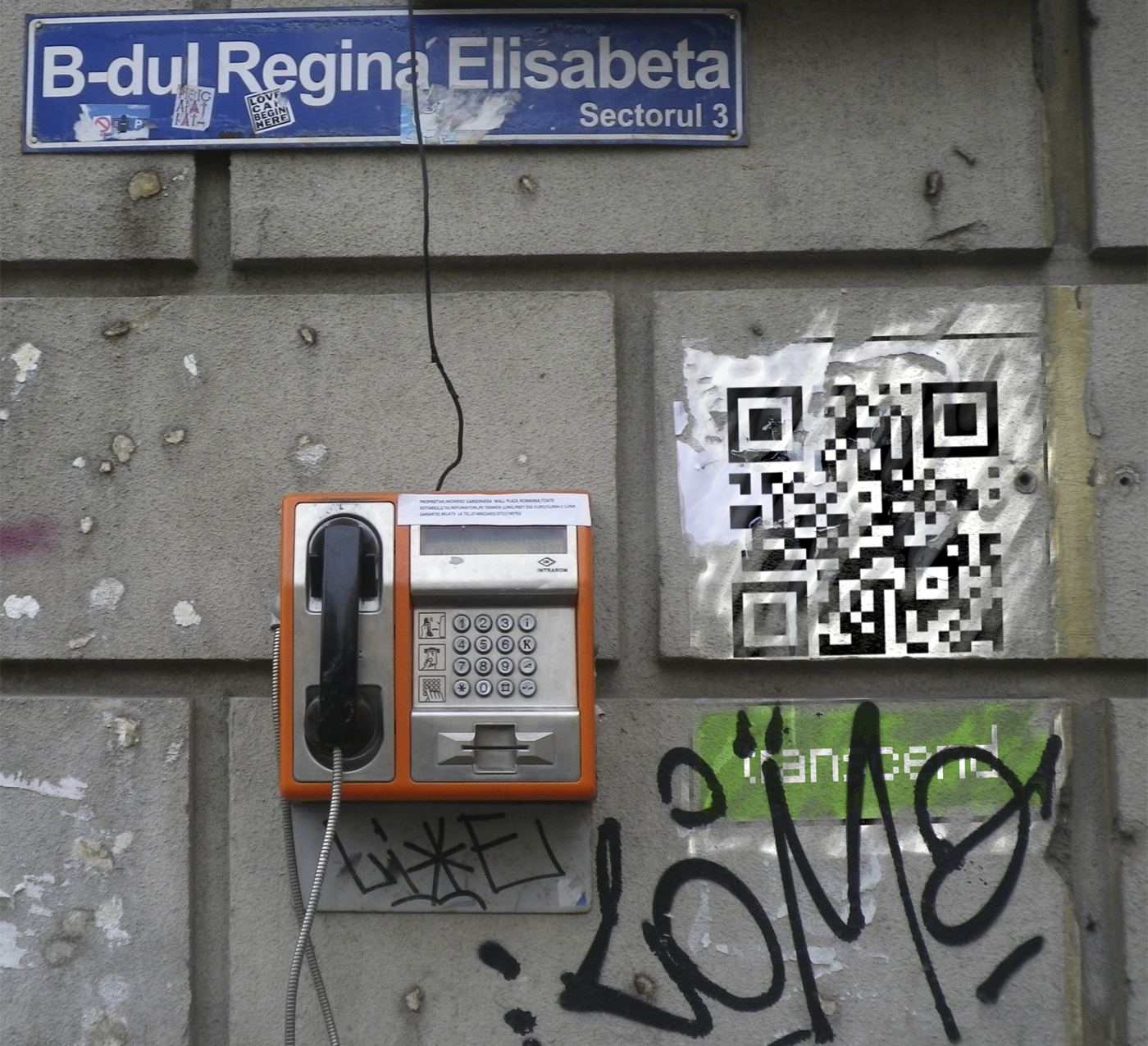
Merchants, the system’s foot soldiers, have their own verdict: the QR code on the counter cost nothing, settles instantly and never asks for a minimum. Card machines, by contrast, sit in drawers across the country — monuments to an era when accepting digital money was a privilege priced for the large.
The risks scale with the success: fraud engineering, over-borrowing by first-time credit users, and the resilience of a system a nation now leans on daily. Regulators publish the failure and fraud rates with unusual transparency — the maintenance of trust being, in the end, the whole product.
The system’s stewards face a mature problem now: how to pay for infrastructure that usage has made indispensable while keeping it free at the point of use. The debate over merchant fees, conducted in policy papers rather than on the street, will shape the rails’ next decade. That such an argument is even possible — about the economics of a utility hundreds of millions use daily — is itself the measure of how completely UPI won.