
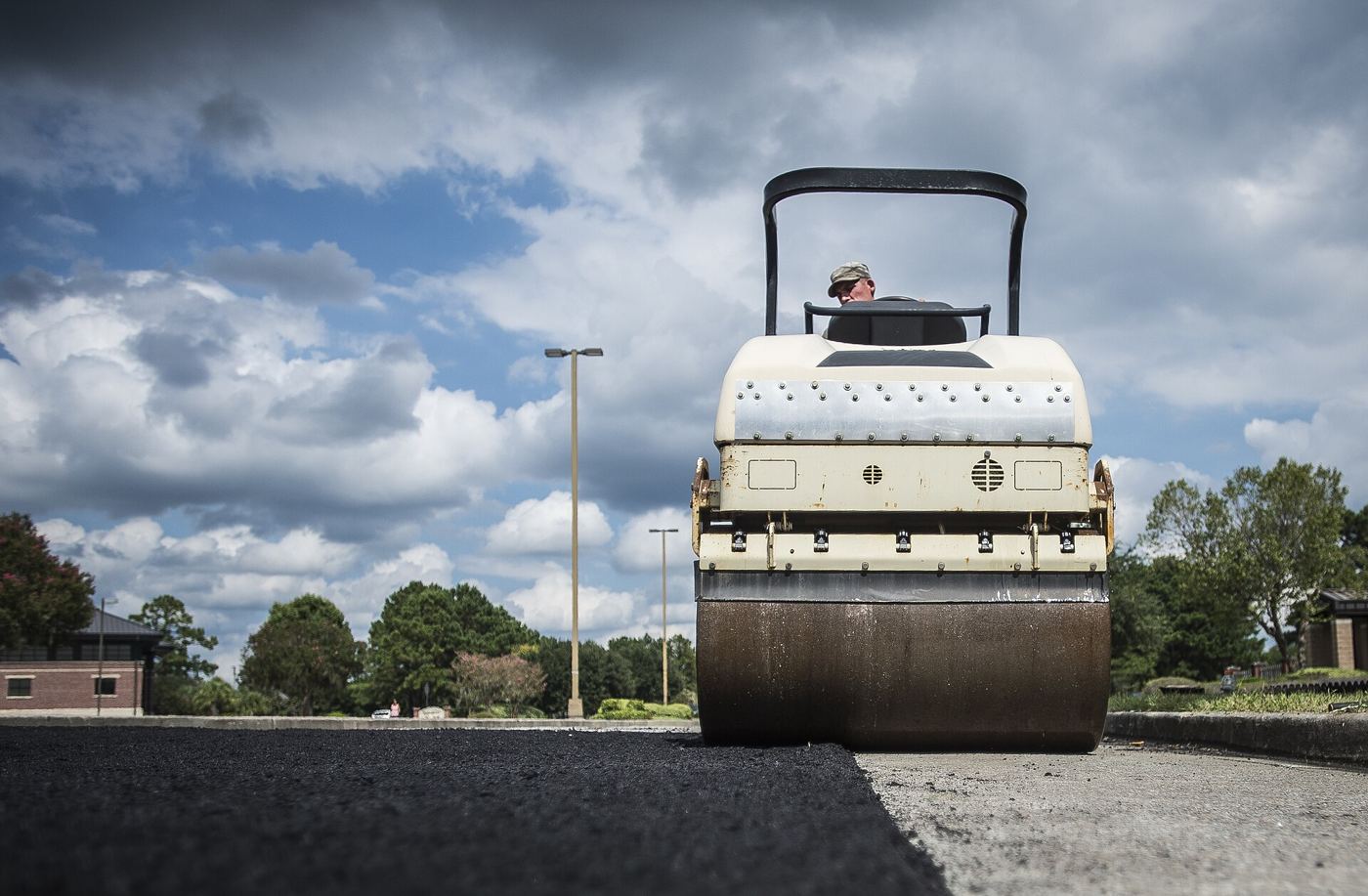
Road crews are trialling quieter resurfacing methods in residential areas, using low-noise materials and electric machinery to reduce the disturbance caused by essential maintenance near people homes. Traditional resurfacing involves heavy plant, reversing alarms and the removal of the old surface, which can make nearby streets difficult to live in for days at a time, particularly for shift workers, young children and people who are unwell. The trials use a quieter surface removal technique, noise-reduced rollers and materials that produce less tyre noise once traffic returns, extending the benefit beyond the works themselves. Highway authorities say the methods cost slightly more per street but may reduce complaints, speed up approvals for night and early morning working and allow more roads to be completed within restricted hours. Residents in trial streets are being surveyed before and after the work, and sound levels are being measured so that claims about improvement can be tested against evidence rather than relying on impressions from the crews or the council alone.
What the Evidence Shows
Engineers explain that road noise comes from several sources, and the trial addresses each of them in turn. Electric and hybrid machinery lowers engine noise during the work, acoustic barriers shield the loudest operations, and careful scheduling keeps the most disruptive stages within agreed hours. The finished surface uses a stone mix designed to absorb some tyre sound, which early measurements suggest can make a noticeable difference at typical residential speeds. Crews have also changed how they communicate, using radios and hand signals in place of shouted instructions during early starts. Local councillors say the trials respond to a familiar frustration: residents accept that roads must be maintained, but question why the process has to be so disruptive when quieter alternatives exist in other industries. If the results confirm the expected benefits without reducing the durability of the surface, highway teams plan to specify the methods for residential contracts more widely. The trial will run across several streets with different traffic levels, so that performance and value for money can be judged fairly before any wider rollout is approved. Reporting and analysis from sources such as Reuters track the same developments, and specialists following quieter road resurfacing methods say the direction is now consistent across independent lines of evidence.
The Wider Context
The wider context is a public conversation conducted at a speed institutions were not built for. Developments around quieter road resurfacing methods are announced, contested and revised within a single news cycle, and the officials involved have learned to publish evidence alongside claims so that scrutiny can actually occur. Trust, the polling suggests, follows that transparency more than it follows confidence.
What Happens Next
What happens next in the story of quieter road resurfacing methods will be decided in the places where it is being implemented, measured and argued about in public. The officials and organisations involved have committed to publishing progress data, and that commitment gives residents, businesses and journalists something firmer than promises to judge. The next milestones are dated, which means they can be checked. You can follow related developments in our coverage of news.
There is a practical lesson in all of this for readers deciding what to do today. Start with the verified facts, be wary of anyone promising certainty, and prefer reversible steps while the evidence is still developing. Circumstances differ by country, income and personal situation, so general guidance should always be weighed against your own context before you act on it in any significant or lasting way.