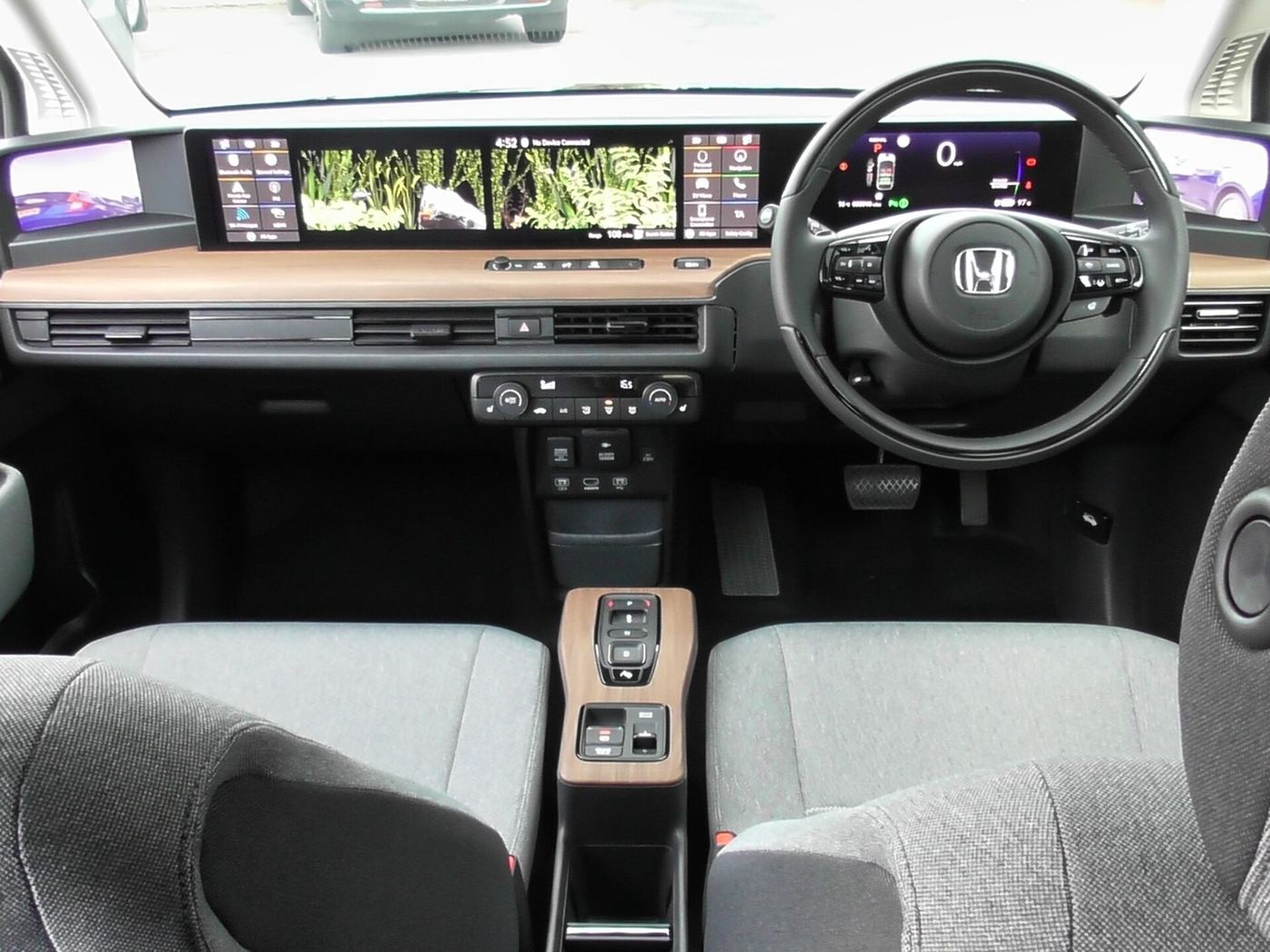
Electric car dashboards are being redesigned around a simple safety insight, which is that drivers at night need less information, presented more calmly, rather than brighter screens competing for attention. New systems monitor ambient light, speed and road type, then automatically dim decorative graphics, hide secondary menus and enlarge only the controls that matter most. Navigation prompts become shorter, colours shift toward softer tones that preserve night vision, and non urgent notifications wait until the journey ends. Designers say the change follows complaints that large touchscreens, originally praised for minimalism, can dazzle on dark rural roads and demand too many glances. Regulators in several markets are examining how long screen interactions take, and manufacturers are responding before stricter rules arrive. Some models now pair the adaptive display with restored physical controls for volume, temperature and demisting, acknowledging that touch is a poor substitute in gloves or on rough roads. Eye tracking, used cautiously and processed locally, can detect repeated glances toward the screen and suggest simplifying the layout further. Engineers emphasise that the goal is not to remove features but to sequence them, surfacing charging details when parked and driving essentials when moving. Early owner feedback suggests calmer cabins and fewer complaints about glare.
What the Evidence Shows
Testing programmes compare the adaptive dashboards against conventional layouts in simulators and on closed roads, measuring glance duration, lane keeping and reaction times to hazards. Results so far favour simplification, particularly for older drivers and those travelling unfamiliar routes after dark. Manufacturers are also coordinating dashboard behaviour with headlights and cabin lighting, so the whole interior brightens and dims as one system rather than fighting itself. Software updates will refine the behaviour over time, learning for example that a particular driver always wants charging information visible near home. Privacy groups advise that such personalisation should remain optional and stored in the car, a position several brands now publicly support. The redesign wave extends beyond electric models, but battery cars led it because their screens arrived first and their quiet cabins make visual calm feel especially valuable. Suppliers of display glass are adding anti reflective coatings tuned for the new dimmer palettes. As competition shifts from screen size toward screen judgement, reviewers increasingly praise interfaces that disappear when not needed. The most advanced dashboard, designers now say, is the one drivers barely notice at midnight. Reporting and analysis from sources such as Wired track the same developments, and specialists following adaptive electric car dashboards say the direction is now consistent across independent lines of evidence.
The Wider Context
The wider context is an industry learning to ship capability and restraint together. Products built around adaptive electric car dashboards now launch with safety evaluations, usage data and rollback plans as standard, because enterprise buyers and regulators ask for them in the first meeting. Companies that treated those questions as friction are discovering they have become the purchase criteria.
What Happens Next
What happens next for adaptive electric car dashboards depends less on another breakthrough than on the unglamorous work of reliability, pricing and support. The buyers evaluating it now are not enthusiasts; they are operators with budgets and auditors, and their checklists will decide the timeline. On the evidence of the current pilots, the technology has earned the right to be judged by them. You can follow related developments in our coverage of technology.
None of this will be settled by a single announcement, study or product launch. The pattern to watch is accumulation: independent confirmations, honest reporting of failures and steady improvement in the underlying numbers. Readers who follow those signals, rather than the loudest claim of the week, will understand this subject better than most of the commentary surrounding it suggests is possible.