
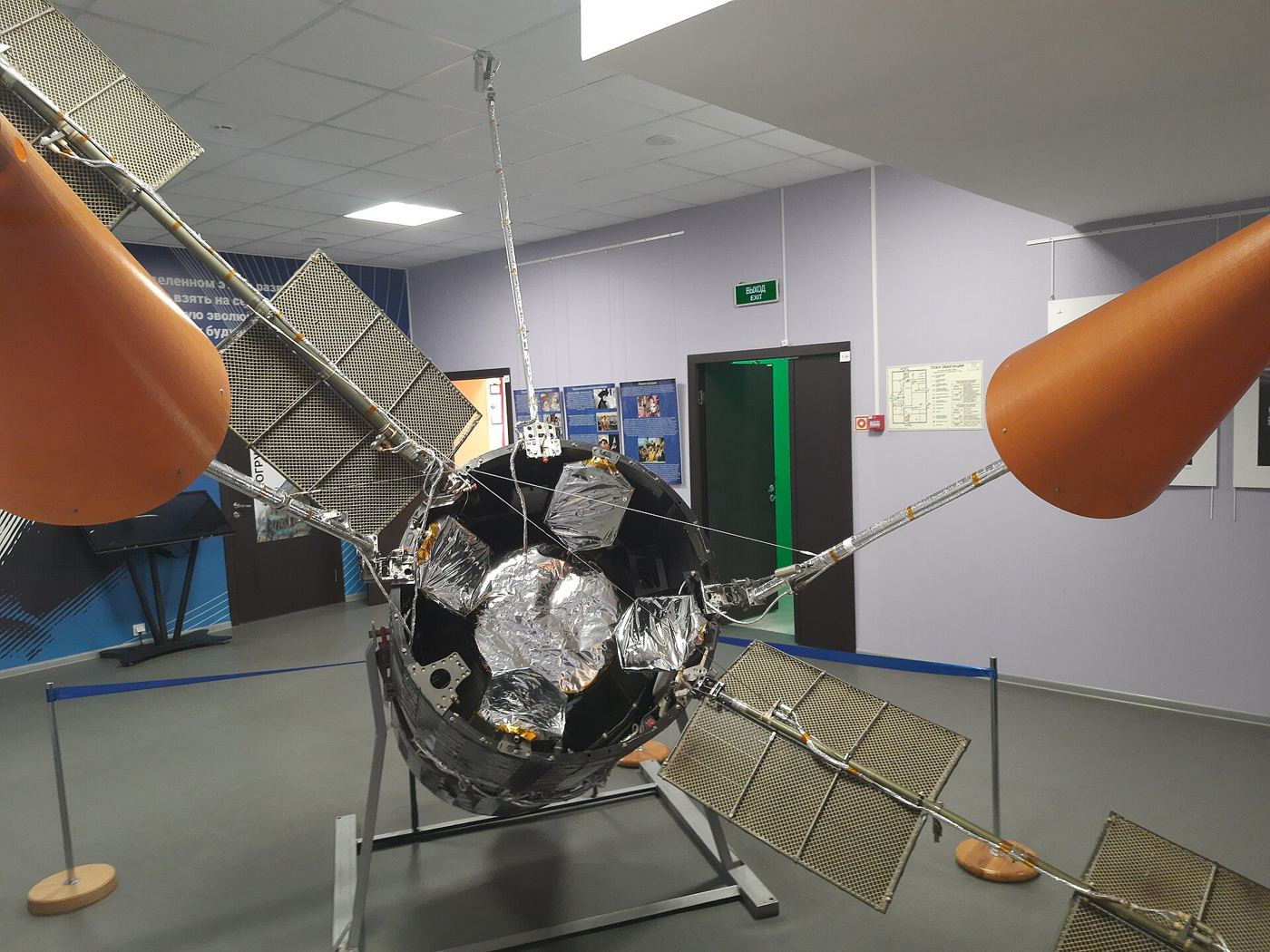
When floods, fires or storms knock out mobile masts and power lines, the first hours are often defined by silence, with residents unable to call for help and responders unable to coordinate. A new generation of emergency satellite services aims to fill that gap by allowing ordinary phones and field radios to send short text alerts directly through orbiting relays when ground networks fail. The messages are deliberately brief, carrying location, status and urgent needs rather than voice or images, so they can pass through limited satellite capacity reliably. Relief agencies testing the systems say even a single confirmed message from a cut-off community can reshape a response, directing crews, boats or medical teams to the right place first. Unlike specialist satellite phones, which few households own, these services are designed to work automatically when terrestrial coverage disappears, switching the device to a satellite mode with clear prompts so stressed users do not need technical knowledge in a crisis. The services are now being tested alongside conventional rescue coordination exercises in several coastal and mountain regions.
What the Evidence Shows
The technology still has limits that planners are working through carefully. Satellite links need a reasonably clear view of the sky, so dense buildings, deep valleys and heavy tree cover can delay a message, and capacity must be prioritised when thousands of people try to connect at once after a disaster. Regulators are therefore developing rules for priority access for emergency services, alongside public guidance on conserving battery and sending concise updates. Trials in remote regions have shown that short check-in messages can get through within minutes, and that two-way replies allow control rooms to confirm help is coming, which reduces risky journeys by residents seeking information. Telecommunications experts view the services as a resilience layer rather than a replacement for ground networks. As extreme weather events become more disruptive, that extra layer, available precisely when everything else has failed, may prove to be the most valuable connection of all. Reporting and analysis from sources such as Wired track the same developments, and specialists following the satellite emergency text relay say the direction is now consistent across independent lines of evidence.
The Wider Context
The wider context is an industry learning to ship capability and restraint together. Products built around the satellite emergency text relay now launch with safety evaluations, usage data and rollback plans as standard, because enterprise buyers and regulators ask for them in the first meeting. Companies that treated those questions as friction are discovering they have become the purchase criteria.
What Happens Next
What happens next for the satellite emergency text relay depends less on another breakthrough than on the unglamorous work of reliability, pricing and support. The buyers evaluating it now are not enthusiasts; they are operators with budgets and auditors, and their checklists will decide the timeline. On the evidence of the current pilots, the technology has earned the right to be judged by them. You can follow related developments in our coverage of technology.
None of this will be settled by a single announcement, study or product launch. The pattern to watch is accumulation: independent confirmations, honest reporting of failures and steady improvement in the underlying numbers. Readers who follow those signals, rather than the loudest claim of the week, will understand this subject better than most of the commentary surrounding it suggests is possible.