
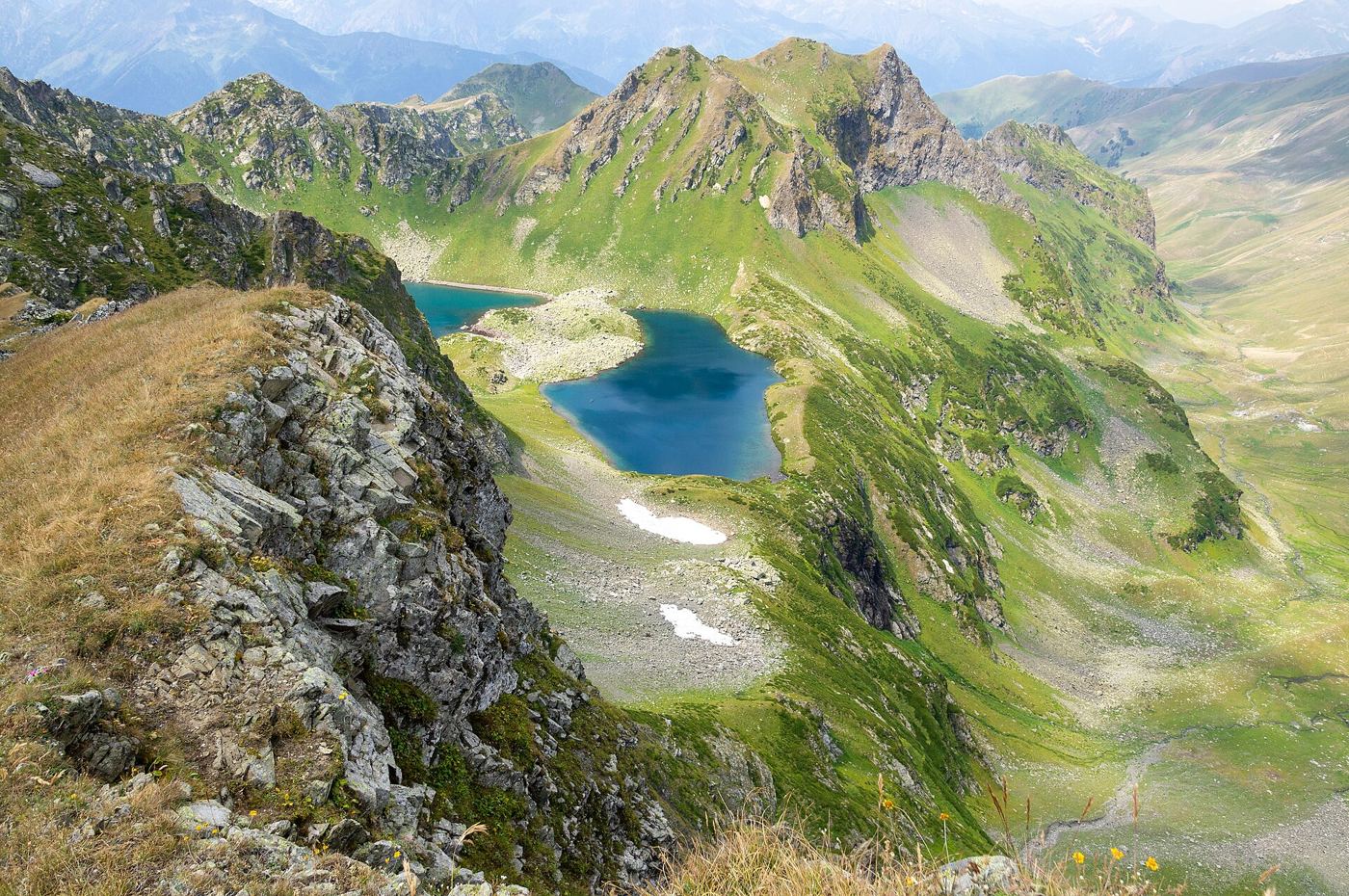
The changing colour of glacier-fed mountain lakes is giving scientists a simple, visible record of how meltwater moves through high valleys across the seasons. In early summer the lakes often turn a striking milky turquoise, clouded by fine rock flour ground from the bedrock by the glacier and carried down in the melt stream. As the season advances and melt slows, the water gradually clears, and researchers can read those shifts alongside temperature and flow measurements to understand when the glacier is most active. Teams are photographing the lakes from fixed points each week and matching the images against satellite views and samples analysed for sediment content. The method is inexpensive compared with permanent monitoring equipment, which matters in remote valleys where instruments are hard to install and maintain. Local guides and mountaineers have joined the effort, contributing dated photographs from regular routes that extend the record far beyond the research teams’ own visits in recent years.
What the Evidence Shows
Laboratory tests confirm that the finest particles stay suspended longest, which is why the colour lingers after the flow itself has fallen. Specialists following meltwater colour in mountain lakes say the visual record helps communicate change to visitors who may never read a data chart. The teams are careful not to overstate single seasons, because weather can make one year look very different from the next. Longer photographic archives from tourism and mountaineering sources are now being dated and added to the series. Findings will feed into wider studies of sediment, water supply and lake ecology. The photographic method also creates a record that future researchers can reinterpret as techniques improve, in the same way old expedition photographs are used today. Catchment managers are interested in whether sediment pulses affect water treatment downstream in late summer. The teams will present their first full season of matched images, samples and measurements at a public talk this winter. Reporting and analysis from sources such as National Science Foundation track the same developments, and specialists following meltwater colour in mountain lakes say the direction is now consistent across independent lines of evidence.
The Wider Context
The wider context is a research landscape in which replication and open data now decide reputations. Findings connected to meltwater colour in mountain lakes are being checked by independent groups with shared datasets, and the teams involved publish their methods in full so rivals can test every step. That discipline is slower than a headline cycle, but it is why results in this area increasingly survive first contact with scrutiny.
What Happens Next
What happens next in the story of meltwater colour in mountain lakes will be decided by follow-up work already under way: larger samples, longer observation and instruments that have not yet come online. The researchers involved are unusually united on one point, that the current results justify the next investment of time and money. Readers will not have to wait long for the first tests of that claim. You can follow related developments in our coverage of science.
There is a practical lesson in all of this for readers deciding what to do today. Start with the verified facts, be wary of anyone promising certainty, and prefer reversible steps while the evidence is still developing. Circumstances differ by country, income and personal situation, so general guidance should always be weighed against your own context before you act on it in any significant or lasting way.