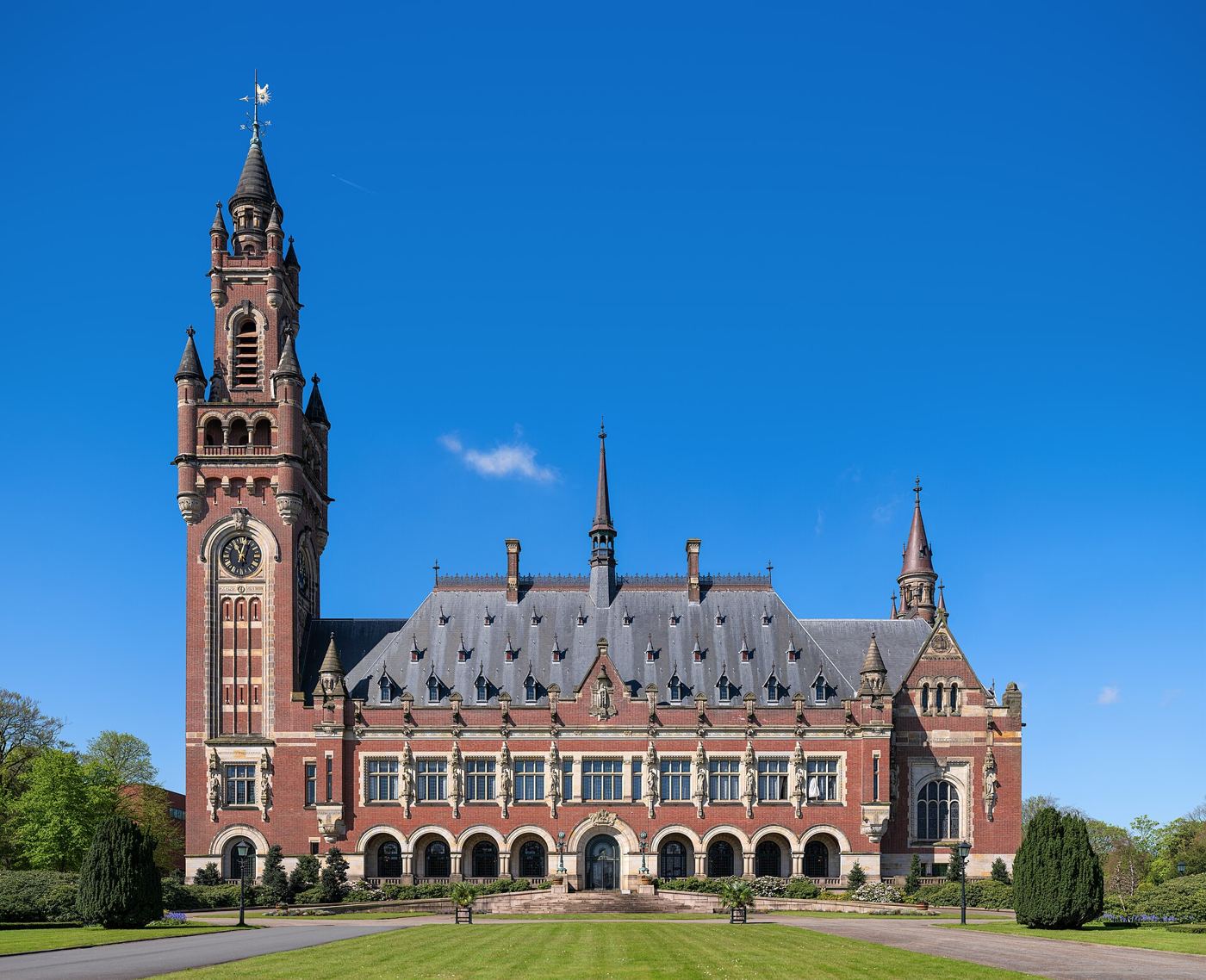
On November 19, 2026, the International Court of Justice ruled that Myanmar committed genocide against the Rohingya people in its 2017 military crackdown in northern Rakhine State. It was the first time in the court’s eighty-year history, since it was founded in 1945, that it found a state responsible for genocide, and only the fourth time since the Holocaust that any international court has found the crime proven. The case was brought by The Gambia in 2019 under the 1948 Genocide Convention. The court’s president, Yuji Iwasawa, read the 191-page judgment over three hours, finding by nine votes to six that Myanmar had violated the convention. The court found that security forces killed at least 10,000 Rohingya, and that more than 730,000 fled to Bangladesh. About 815,000 Rohingya had lived in northern Rakhine State before the operations began.
What the Evidence Shows
The judgment described a campaign of killing, widespread sexual violence against women, extreme violence against children, and the systematic destruction of Rohingya villages, which were replaced with non-Rohingya inhabitants. The judges concluded that the only reasonable inference was that Myanmar intended to destroy the group, the legal test for genocide. The court ordered Myanmar to stop all violence, investigate and punish those responsible, allow the safe, voluntary and dignified return of refugees, and pay reparations, with a plan to be submitted within two years. The ruling is final and cannot be appealed, but the court has no power to enforce it, and it remains to be seen whether Myanmar’s rulers will comply. Lawyers are watching the decision closely for its effect on South Africa’s genocide case against Israel over the war in Gaza. Reporting and analysis from sources such as Reuters track the same developments, and specialists following the ICJ genocide ruling on Myanmar say the direction is now consistent across independent lines of evidence.
The Wider Context
The wider context is a public conversation conducted at a speed institutions were not built for. Developments around the ICJ genocide ruling on Myanmar are announced, contested and revised within a single news cycle, and the officials involved have learned to publish evidence alongside claims so that scrutiny can actually occur. Trust, the polling suggests, follows that transparency more than it follows confidence.
What Happens Next
What happens next in the story of the ICJ genocide ruling on Myanmar will be decided in the places where it is being implemented, measured and argued about in public. The officials and organisations involved have committed to publishing progress data, and that commitment gives residents, businesses and journalists something firmer than promises to judge. The next milestones are dated, which means they can be checked. You can follow related developments in our coverage of news.
There is a practical lesson in all of this for readers deciding what to do today. Start with the verified facts, be wary of anyone promising certainty, and prefer reversible steps while the evidence is still developing. Circumstances differ by country, income and personal situation, so general guidance should always be weighed against your own context before you act on it in any significant or lasting way.