
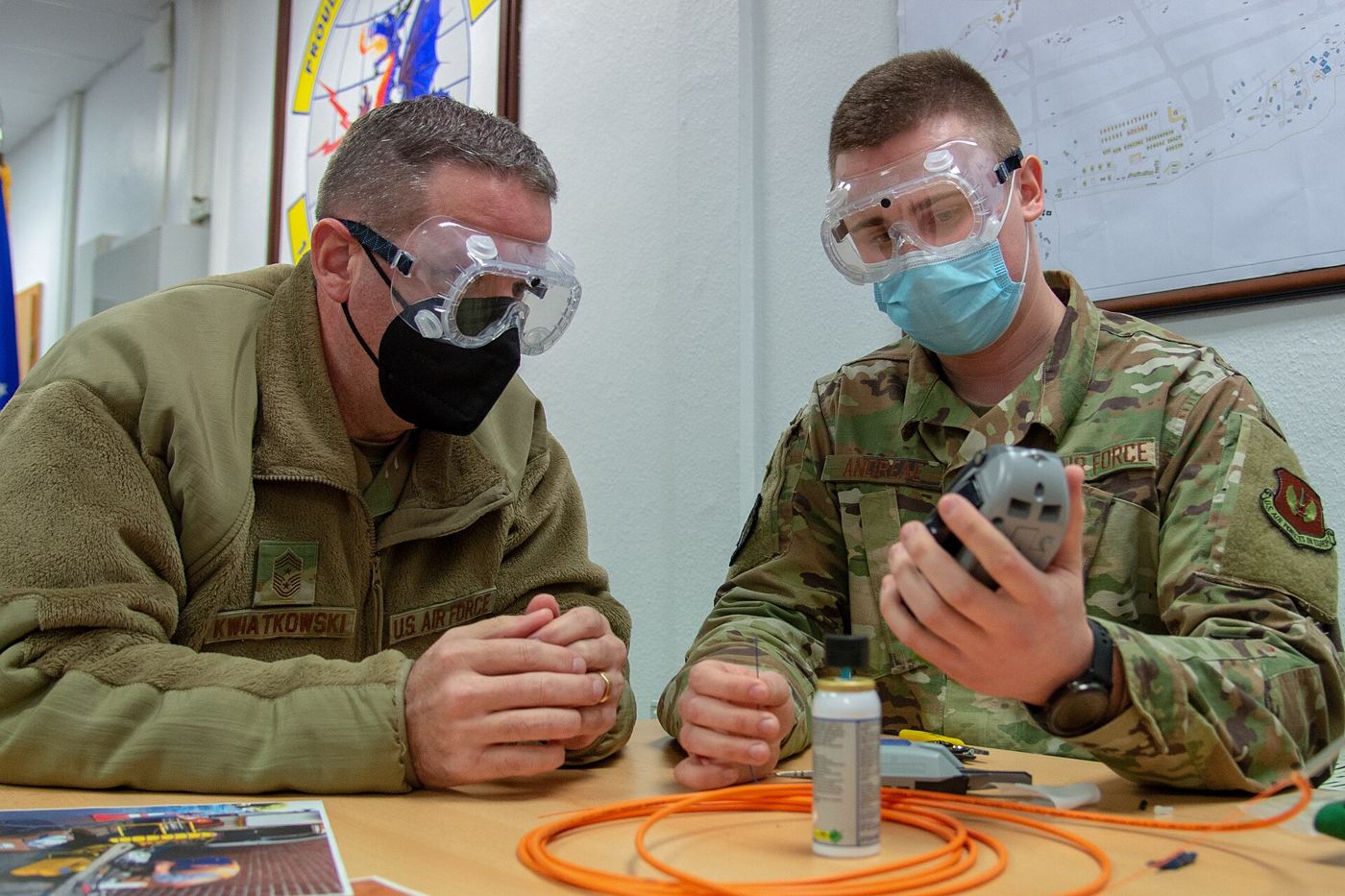
In many rural towns, internet speeds have barely improved in a decade, with old copper lines struggling to carry video calls, let alone the needs of a modern home office. Fibre optic broadband promises a step change, carrying data as pulses of light through glass strands and delivering speeds many times faster than copper. Installation crews are now working their way through smaller communities, digging narrow trenches, threading cables through existing ducts and connecting each home to a new fibre line. For residents, the arrival of fibre often means the end of buffering video, dropped calls and children competing for bandwidth during homework time. Local businesses say faster connections let them take card payments reliably, run online shops and hold video meetings with customers without travelling to the nearest city. The gap is now a practical problem for families whose children study online and whose parents work from home, since a slow connection limits what the whole household can do.
What the Evidence Shows
The rollout is slow and expensive, which is why many rural areas were left behind in the first place. Laying fibre across fields and along country lanes costs far more per home than in a dense city, and some villages sit at the end of long, sparsely populated roads. Governments are bridging the gap with subsidies and by sharing the cost with network operators, while some communities have dug their own trenches to speed the work. Engineers say the investment is worth it because fibre, once installed, needs little maintenance and can be upgraded by changing the equipment at each end rather than replacing the cables. For the towns still waiting, the crews arriving with their spools of glass fibre have become a welcome sight, marking the moment their internet finally catches up. Once connected, many households report that their property values rise and that younger family members are more willing to stay in the area rather than moving away for work. Reporting and analysis from sources such as Wired track the same developments, and specialists following the rural fibre broadband rollout say the direction is now consistent across independent lines of evidence.
The Wider Context
The wider context is an industry learning to ship capability and restraint together. Products built around the rural fibre broadband rollout now launch with safety evaluations, usage data and rollback plans as standard, because enterprise buyers and regulators ask for them in the first meeting. Companies that treated those questions as friction are discovering they have become the purchase criteria.
What Happens Next
What happens next for the rural fibre broadband rollout depends less on another breakthrough than on the unglamorous work of reliability, pricing and support. The buyers evaluating it now are not enthusiasts; they are operators with budgets and auditors, and their checklists will decide the timeline. On the evidence of the current pilots, the technology has earned the right to be judged by them. You can follow related developments in our coverage of technology.
None of this will be settled by a single announcement, study or product launch. The pattern to watch is accumulation: independent confirmations, honest reporting of failures and steady improvement in the underlying numbers. Readers who follow those signals, rather than the loudest claim of the week, will understand this subject better than most of the commentary surrounding it suggests is possible.