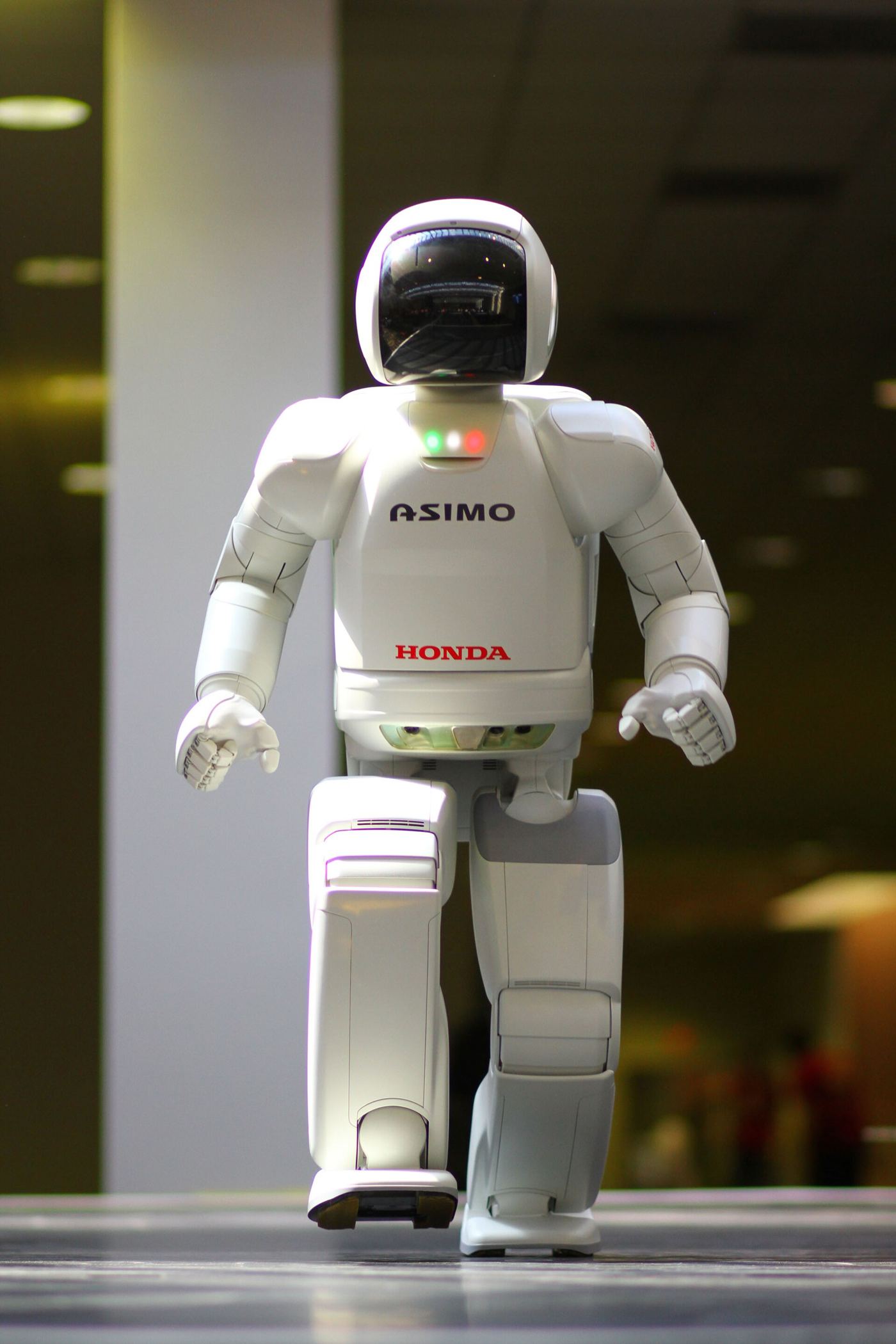
Factories were built for human hands, with tools, shelves and doorways designed around the shape of a person. That is why the newest industrial robots look increasingly human. Humanoid robots with two arms, two legs and a head full of sensors are being tested on factory floors, where they can use the same equipment and walk the same routes as the people beside them. Unlike fixed robotic arms bolted to the floor, a humanoid can move between stations, pick up a part, carry it across the hall and set it down where it is needed. Their hands are designed to grip tools built for people, and their cameras and sensors help them navigate around colleagues without collision. Manufacturers say the robots are best suited to repetitive and physically tiring tasks, such as moving heavy boxes or working long shifts at a single station. Early trials suggest they can ease labour shortages in factories struggling to fill roles.
What the Evidence Shows
The robots are still learning. A humanoid that can walk steadily on a flat factory floor may stumble on a wet surface or a cluttered aisle, and delicate assembly work remains difficult for mechanical hands. Engineers are improving balance, grip and vision, and training the machines with data from human workers performing the same tasks. Safety is a central concern, since a robot weighing as much as a person must never injure a colleague, and factories are introducing clear rules about where the machines may operate. Unions are asking for a say in how the technology is introduced, arguing that robots should take over the hardest jobs rather than simply cutting headcount. The companies involved say the aim is a shared workplace, where robots handle the heavy lifting and people keep the skilled work. Reporting and analysis from sources such as Wired track the same developments, and specialists following the humanoid factory robots say the direction is now consistent across independent lines of evidence.
The Wider Context
The wider context is an industry learning to ship capability and restraint together. Products built around the humanoid factory robots now launch with safety evaluations, usage data and rollback plans as standard, because enterprise buyers and regulators ask for them in the first meeting. Companies that treated those questions as friction are discovering they have become the purchase criteria.
What Happens Next
What happens next for the humanoid factory robots depends less on another breakthrough than on the unglamorous work of reliability, pricing and support. The buyers evaluating it now are not enthusiasts; they are operators with budgets and auditors, and their checklists will decide the timeline. On the evidence of the current pilots, the technology has earned the right to be judged by them. You can follow related developments in our coverage of technology.
None of this will be settled by a single announcement, study or product launch. The pattern to watch is accumulation: independent confirmations, honest reporting of failures and steady improvement in the underlying numbers. Readers who follow those signals, rather than the loudest claim of the week, will understand this subject better than most of the commentary surrounding it suggests is possible.