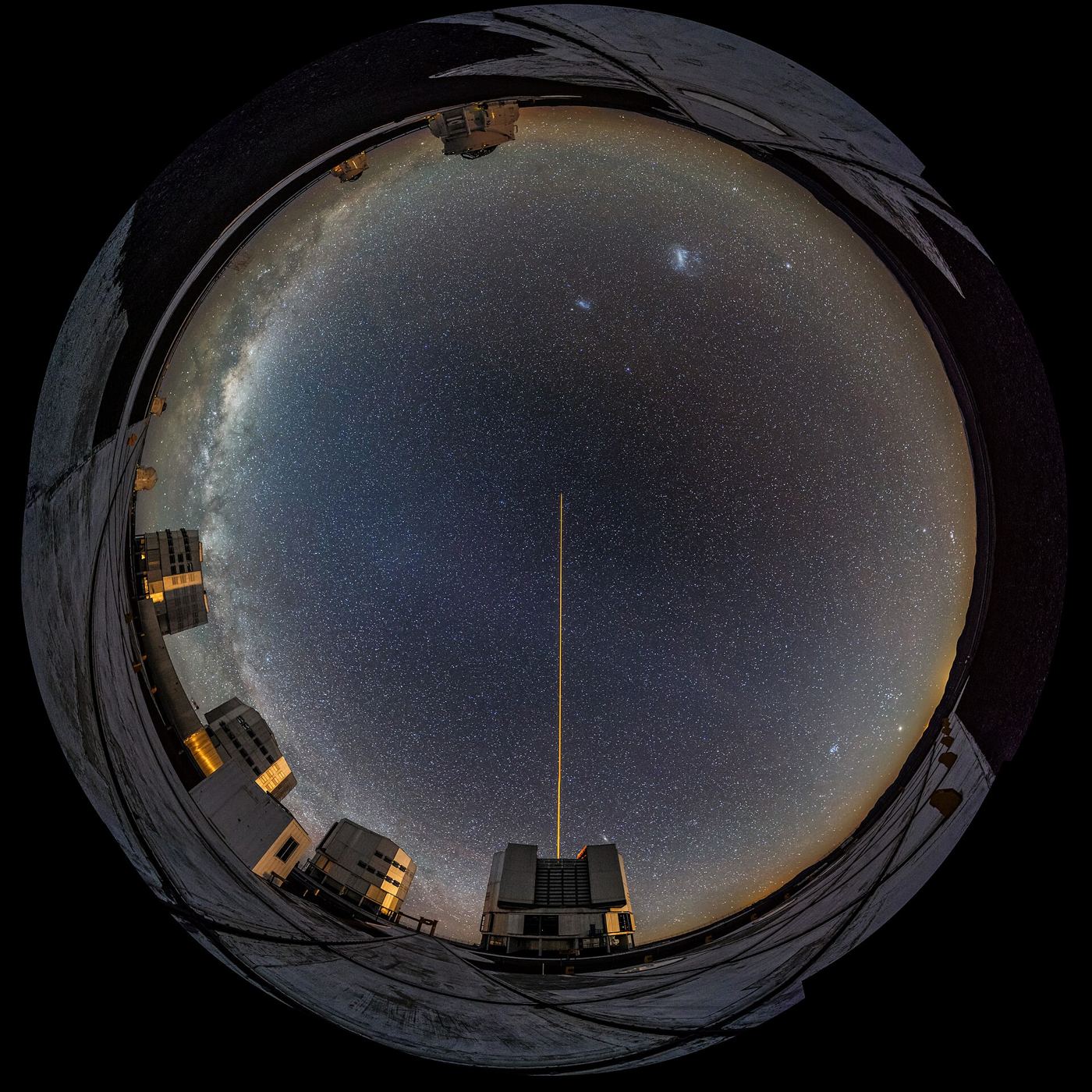
Stargazing nights are drawing crowds to dark-sky parks, where low light pollution and clear skies offer views of the stars that city dwellers rarely see. The events, often run by astronomy clubs and park rangers, invite visitors to look through telescopes at the Moon, planets and distant star clusters, with guides explaining what to look for and answering questions. Organisers say interest has grown sharply, fuelled by striking photographs of the night sky shared online and by a wider desire to spend time outdoors after dark. Families are a large part of the audience, with children often seeing the rings of Saturn or the craters of the Moon for the first time. Dark-sky parks, which are designated areas protected from artificial light, provide the setting, and many have added visitor centres, guided walks and overnight camping so that people can make a full evening of the experience. Many events are free to attend, which helps explain their popularity with families on a tight budget.
What the Evidence Shows
The appeal of stargazing goes beyond the spectacle, and organisers say the events work best when they combine looking with learning. Volunteers explain how to find constellations, how telescopes work and why light pollution matters, not only for astronomy but for wildlife that depends on natural darkness. Some events focus on particular occasions, such as meteor showers or eclipses, which can draw hundreds of visitors to a single site. Park managers must balance popularity with protection, since large crowds and car headlights can damage the very darkness people come to enjoy, so many events use red lighting and ask visitors to keep torches off. Local businesses have noticed the benefit too, with cafes, guesthouses and campsites reporting extra trade on event nights. Astronomers hope the interest will encourage more people to support dark-sky protections and to take up the hobby themselves, starting with nothing more than a pair of binoculars and a clear night. Reporting and analysis from sources such as Reuters track the same developments, and specialists following stargazing and dark-sky parks say the direction is now consistent across independent lines of evidence.
The Wider Context
The wider context is a public conversation conducted at a speed institutions were not built for. Developments around stargazing and dark-sky parks are announced, contested and revised within a single news cycle, and the officials involved have learned to publish evidence alongside claims so that scrutiny can actually occur. Trust, the polling suggests, follows that transparency more than it follows confidence.
What Happens Next
What happens next in the story of stargazing and dark-sky parks will be decided in the places where it is being implemented, measured and argued about in public. The officials and organisations involved have committed to publishing progress data, and that commitment gives residents, businesses and journalists something firmer than promises to judge. The next milestones are dated, which means they can be checked. You can follow related developments in our coverage of news.
There is a practical lesson in all of this for readers deciding what to do today. Start with the verified facts, be wary of anyone promising certainty, and prefer reversible steps while the evidence is still developing. Circumstances differ by country, income and personal situation, so general guidance should always be weighed against your own context before you act on it in any significant or lasting way.